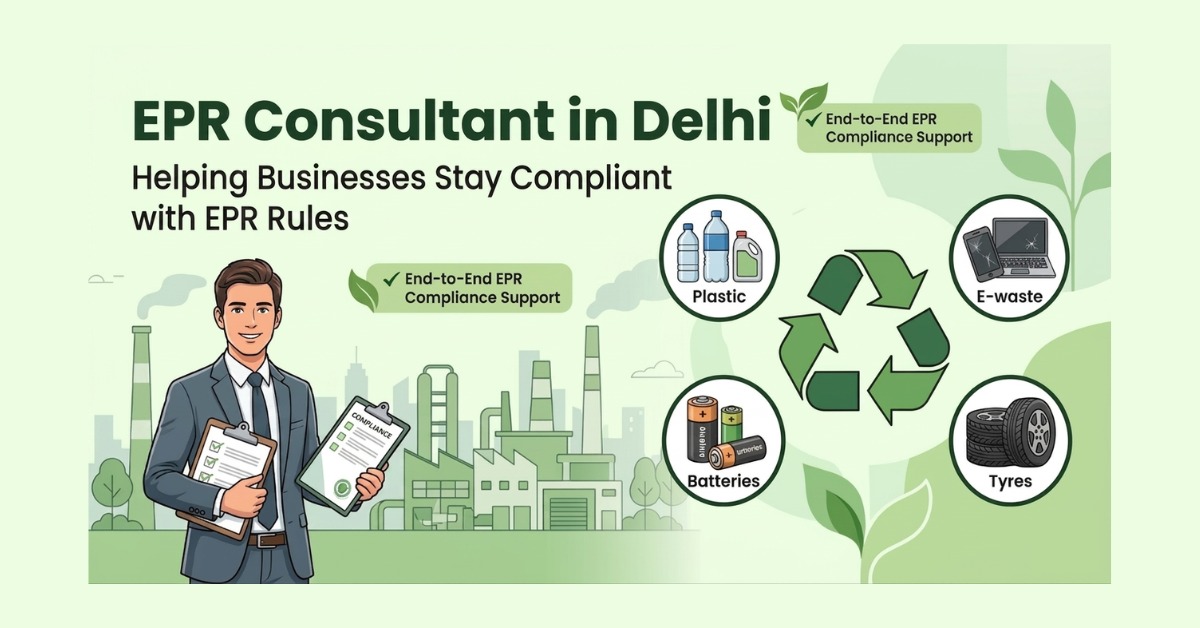
EPR Consultant in Delhi
With the implementation of Extended Producer Responsibility (EPR) Rules, the Government is progressively strengthening the regulatory framework to ensure stricter compliance
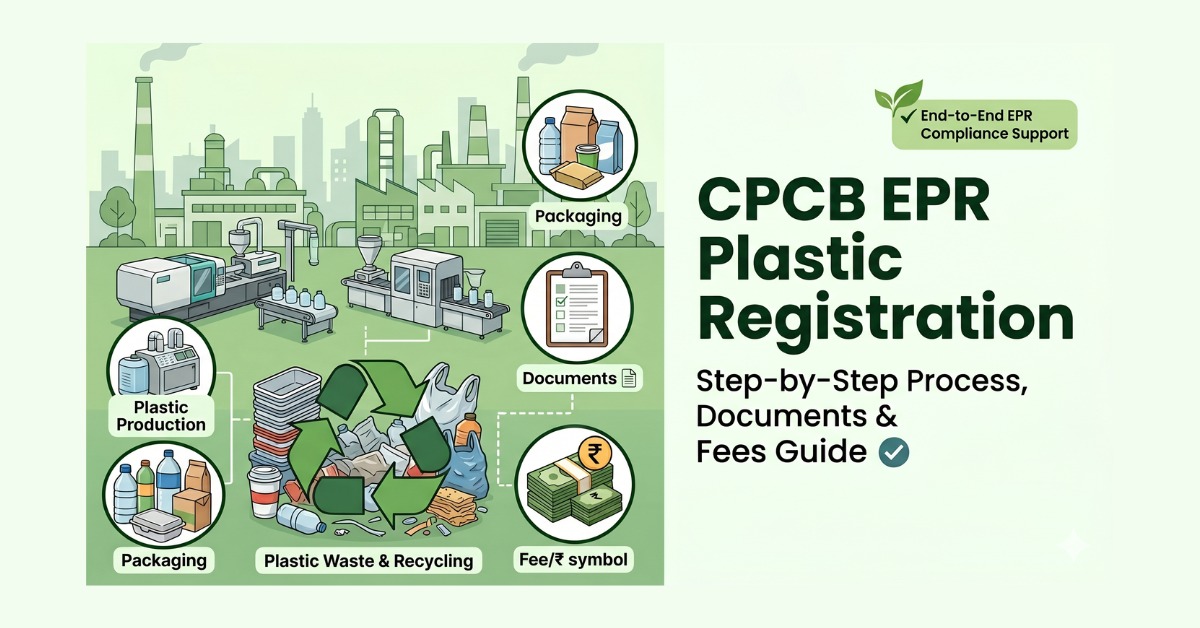
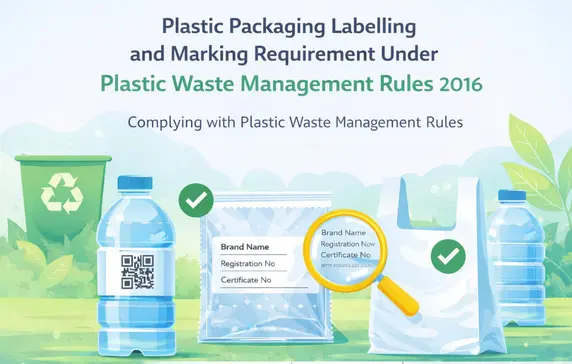
EPR registration for plastic packaging is governed by the Plastic Waste Management Rules, 2016 (as amended from time to time).
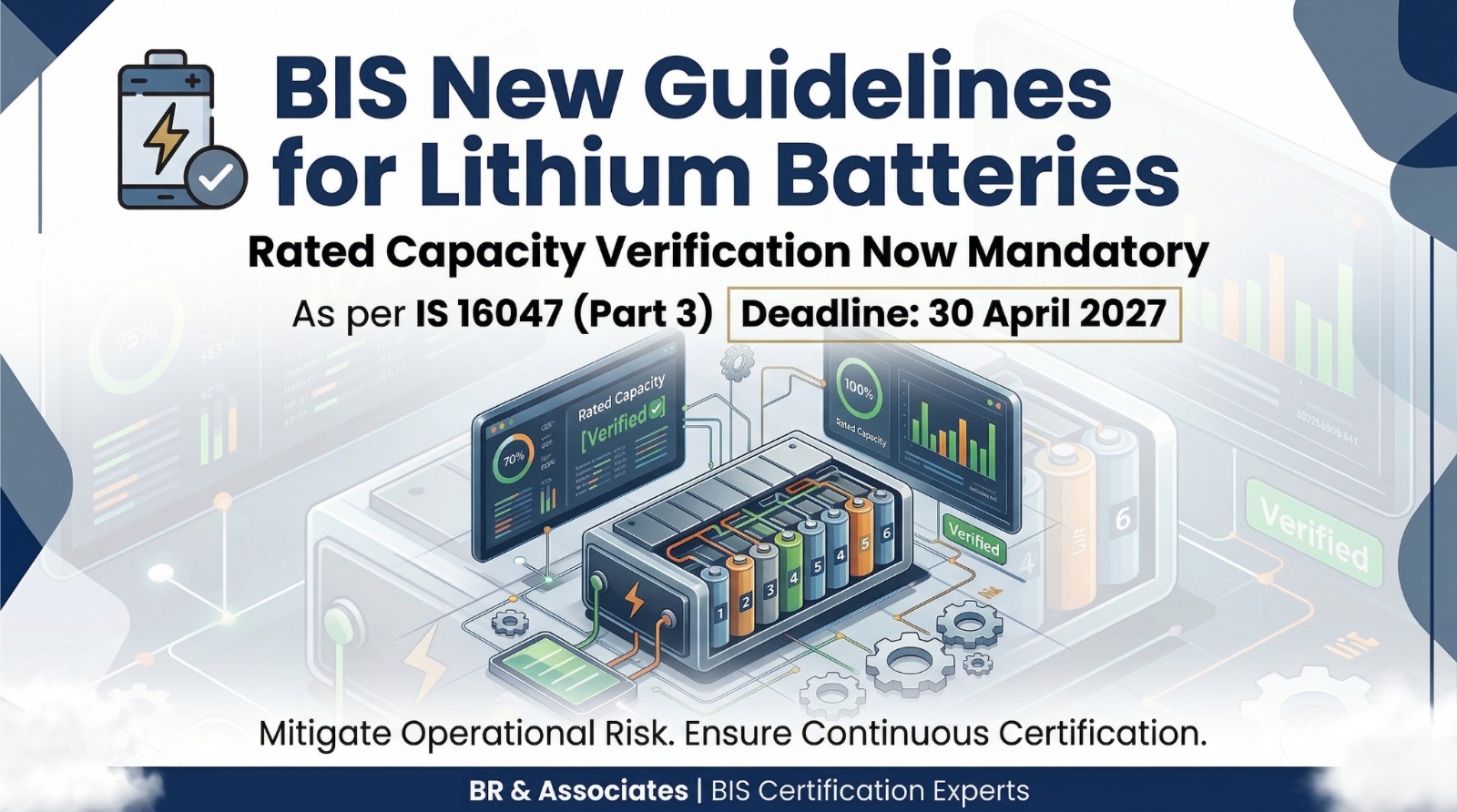
The Bureau of Indian Standards (BIS), has issued the Guidelines for verification of rated capacity for portable sealed secondary Lithium Cells and Batteries, under the direction of the Ministry of Electronics and Information Technology (MeitY).
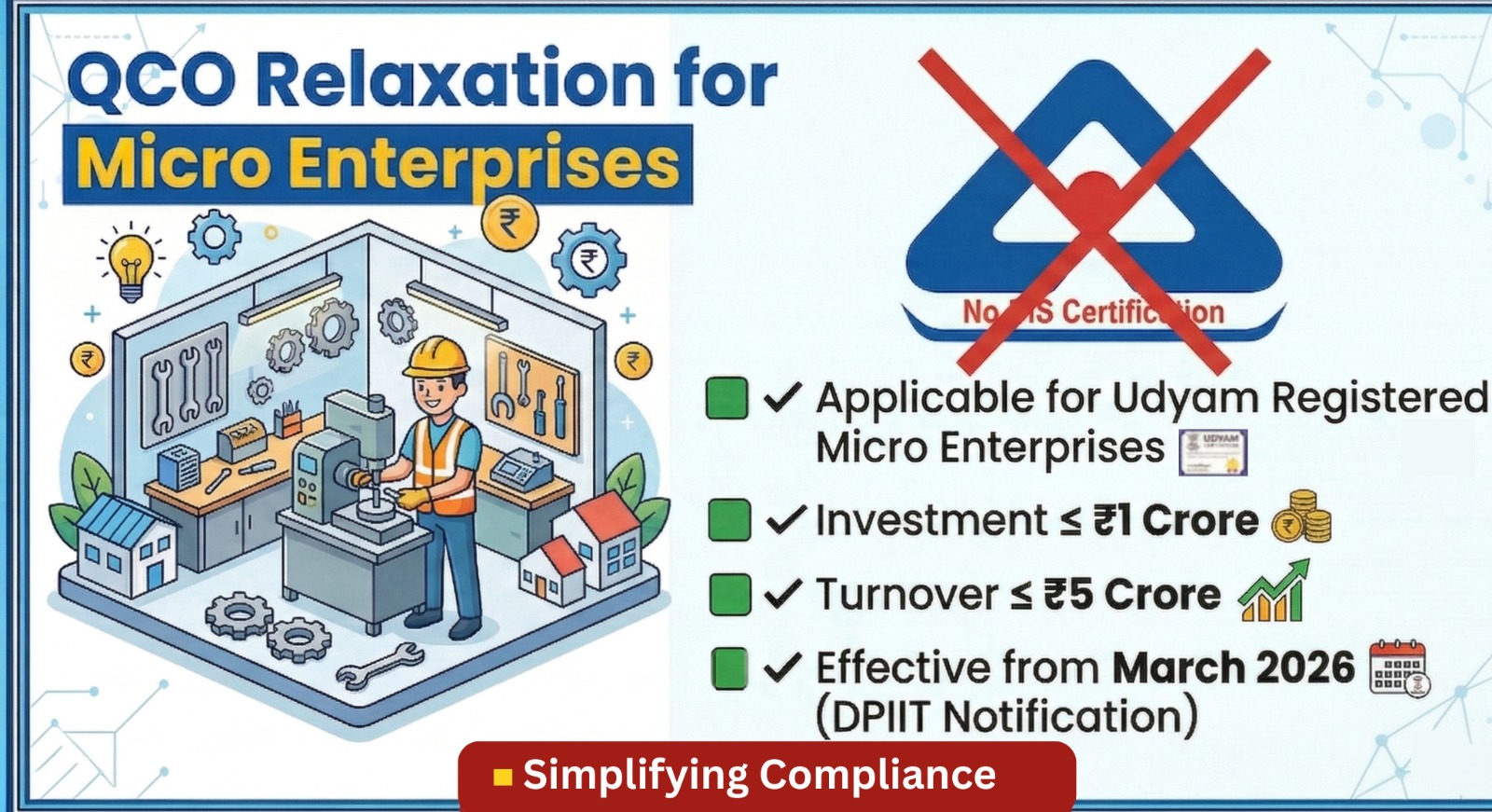
The Ministry of Commerce and Industry has granted a relaxation to micro enterprises from the mandatory compliance requirements prescribed under certain Quality Control Orders (QCOs).). Under these QCOs, it is generally required that products covered
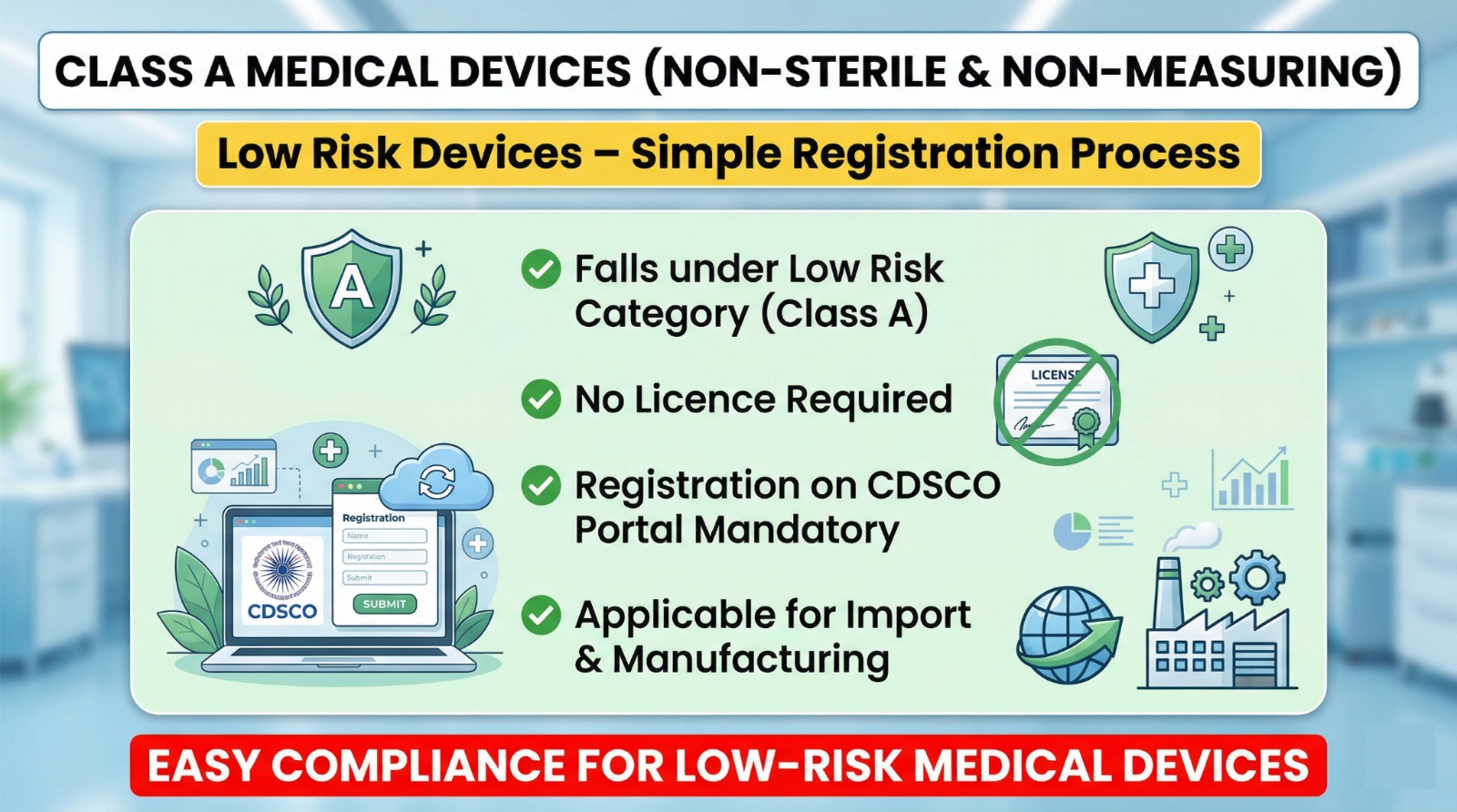
There are different types of medical devices, which are broadly categorized into two groups: In Vitro Diagnostic (IVD) medical devices and medical devices other than In Vitro Diagnostic devices. These are further classified into four categories, namely Class A, Class B, Class C, and Class D
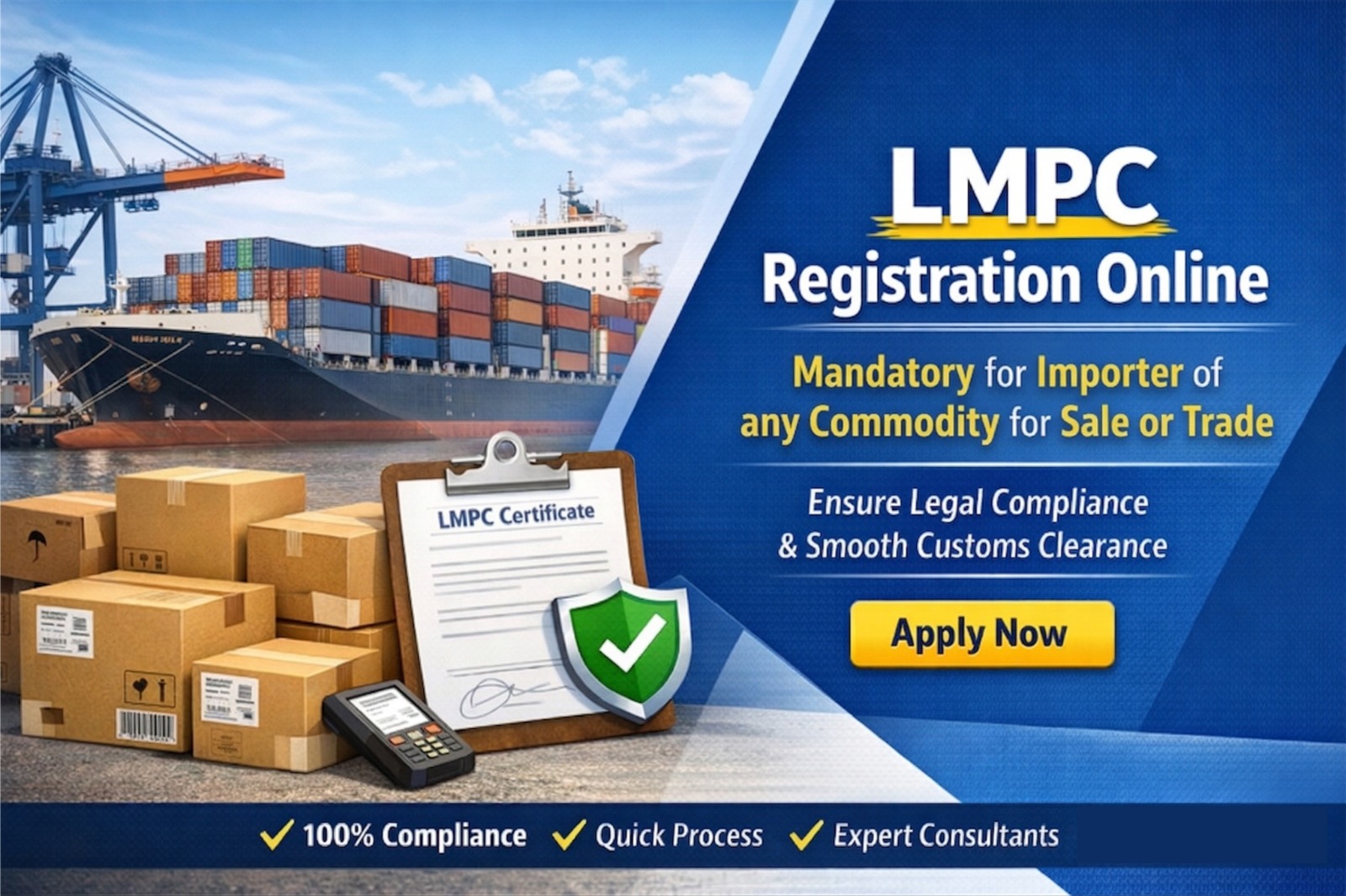
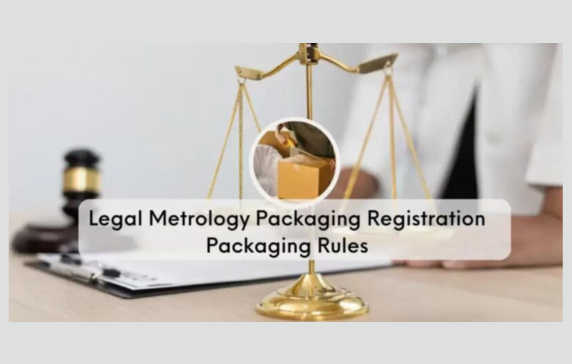
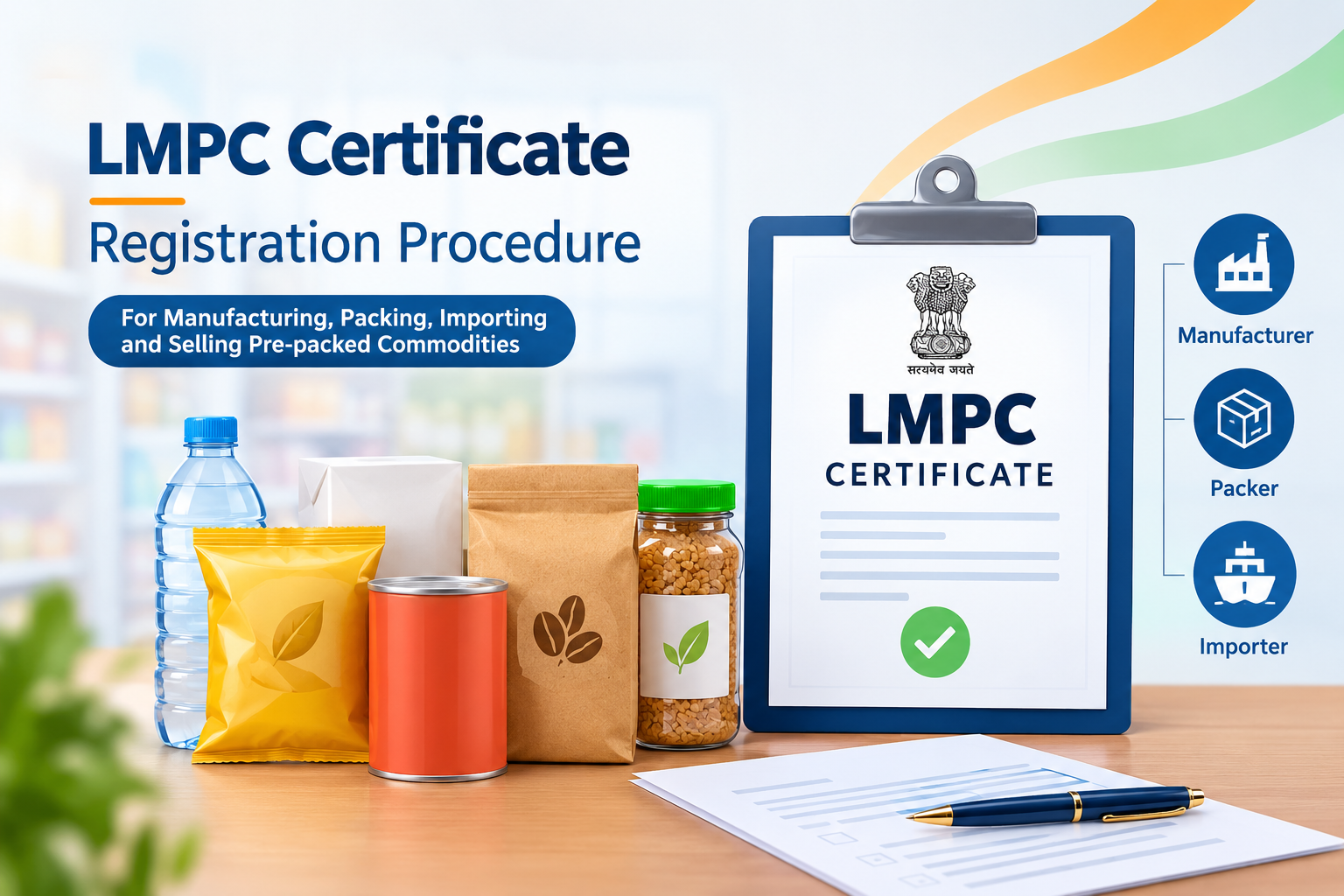
LMPC refers to the Legal Metrology (Packaged Commodities) Rules, 2011, which mandate registration for pre-packed commodities intended for sale in the Indian market, as well as for imported products that are meant for sale or trading.
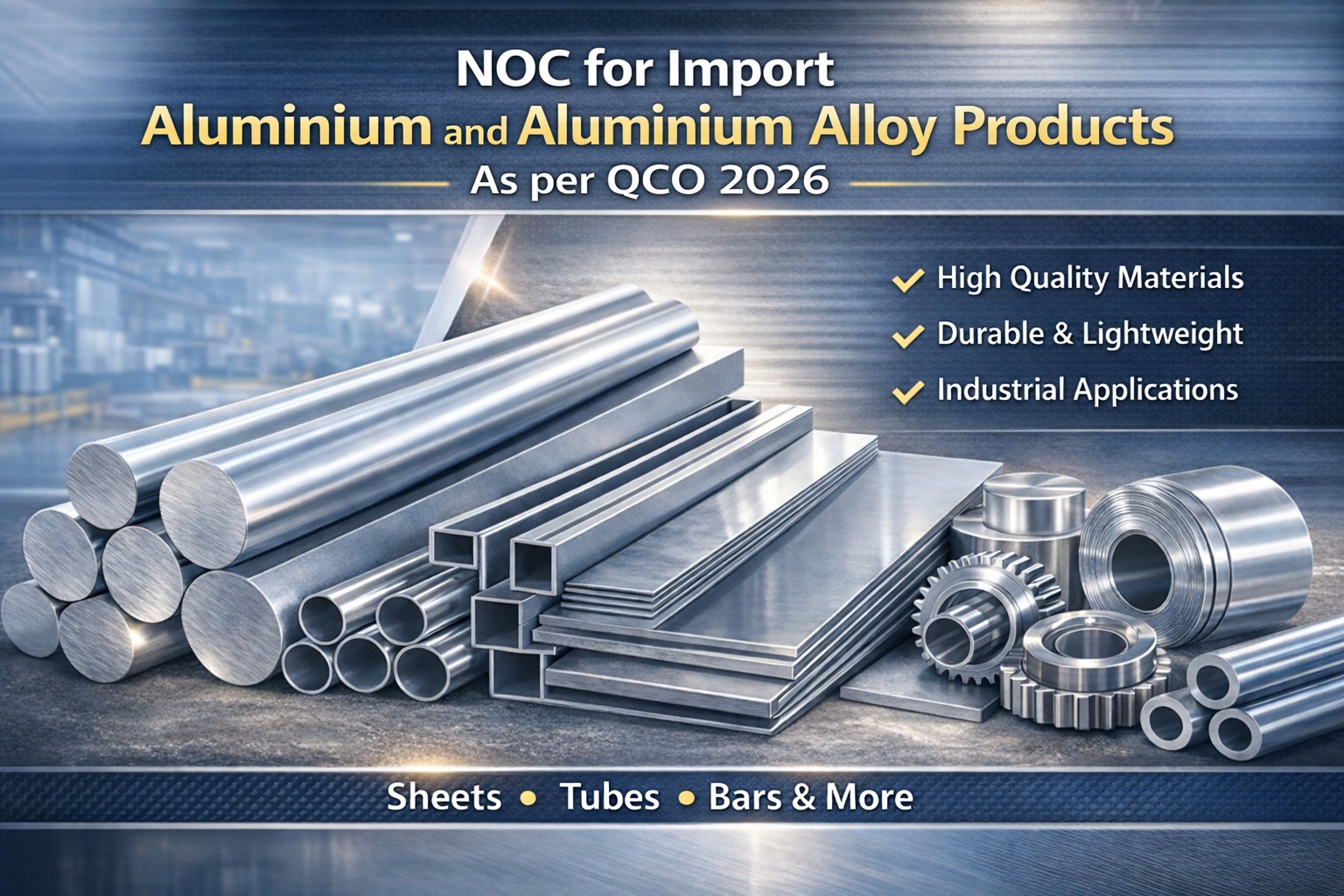
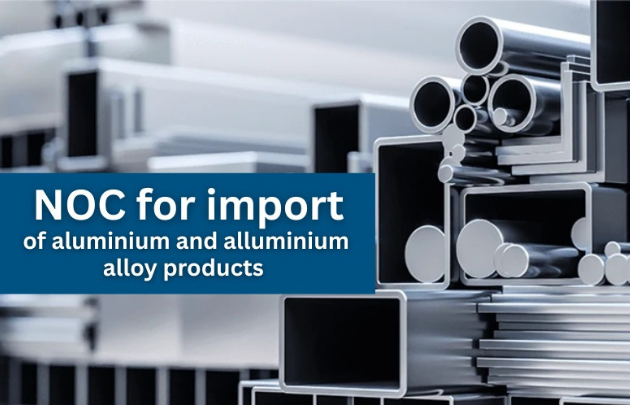
The Department for Promotion of Industry and Internal Trade (DPIIT), Ministry of Commerce and Industry has introduce the revised Aluminium and Aluminium Alloy Products (Quality Control) Order, 2026 on the 11th March 2026.
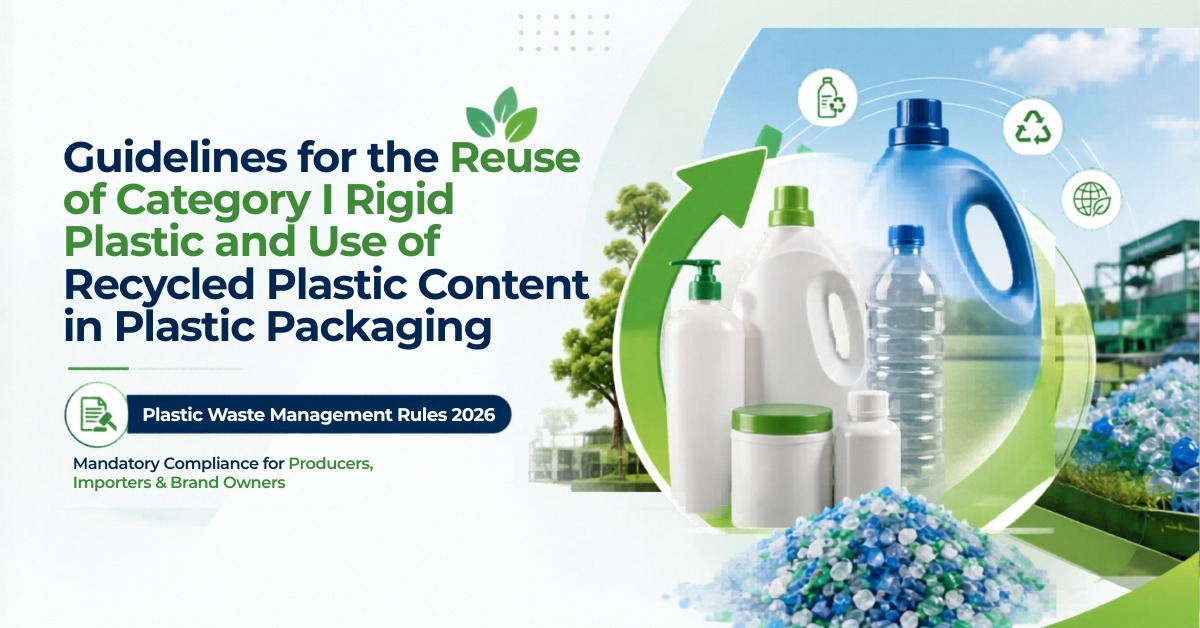
From the introduction of the Plastic Waste Management Rules, 2016, it has emerged as one of the key compliance aspects for organizations that use any kind of plastic packaging to pack and sell their products.
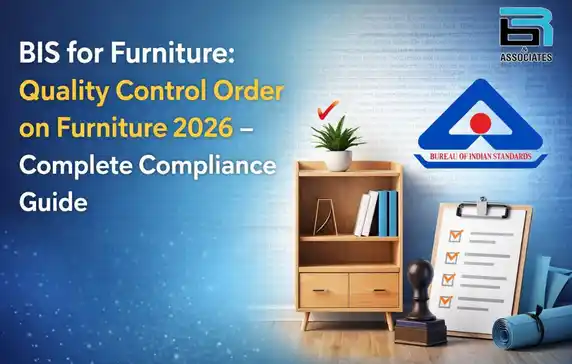
On 12 February 2026, the Department for Promotion of Industry and Internal Trade (DPIIT), functioning under the Ministry of Commerce and Industry, issued the Furniture (Quality Control)
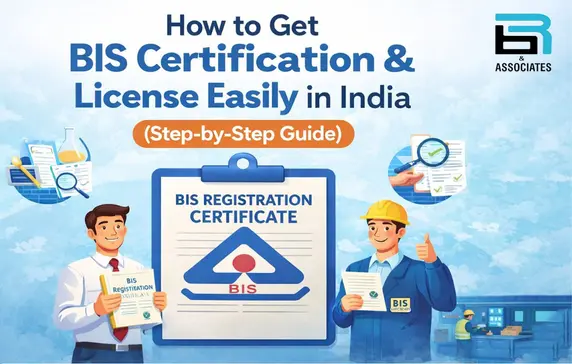
BIS certification in India is a prerequisite requirement to launch and sell a product in the Indian domestic market for those products that fall under the ambit of compulsory BIS registration or FMCS.
A BIS Registration Certificate is a prerequisite for a manufacturer to sell its products in the Indian market, whether the manufacturer is domestic or foreign.
BIS stands for the Bureau of Indian Standards. It functions under the Ministry of Commerce and Industry and is responsible for issuing BIS licences to both domestic and foreign manufacturers.
In today’s globalized market, foreign manufacturers looking to sell products in India must comply with strict regulatory requirements set by the Bureau of Indian Standards (BIS).
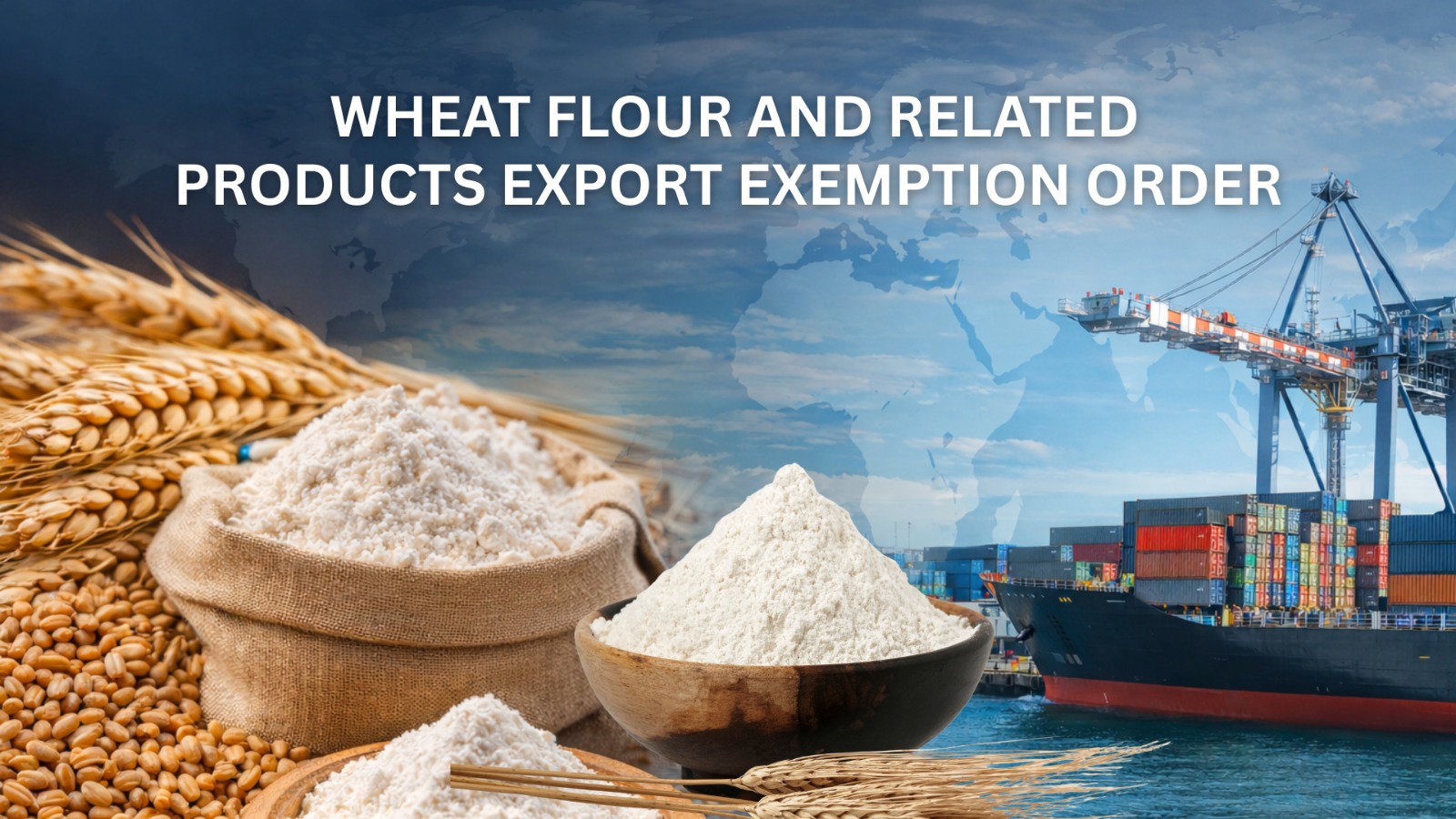
In 2022, the Government of India imposed a ban on the export of wheat flour and related products in order to ensure domestic food security, control inflation, and stabilise prices in the domestic market.
The Department for Promotion of Industry and Internal Trade (DPIIT), Ministry of Commerce and Industry, has introduced the Aluminium and Aluminium Alloy Products (Quality Control) Order, 2025.
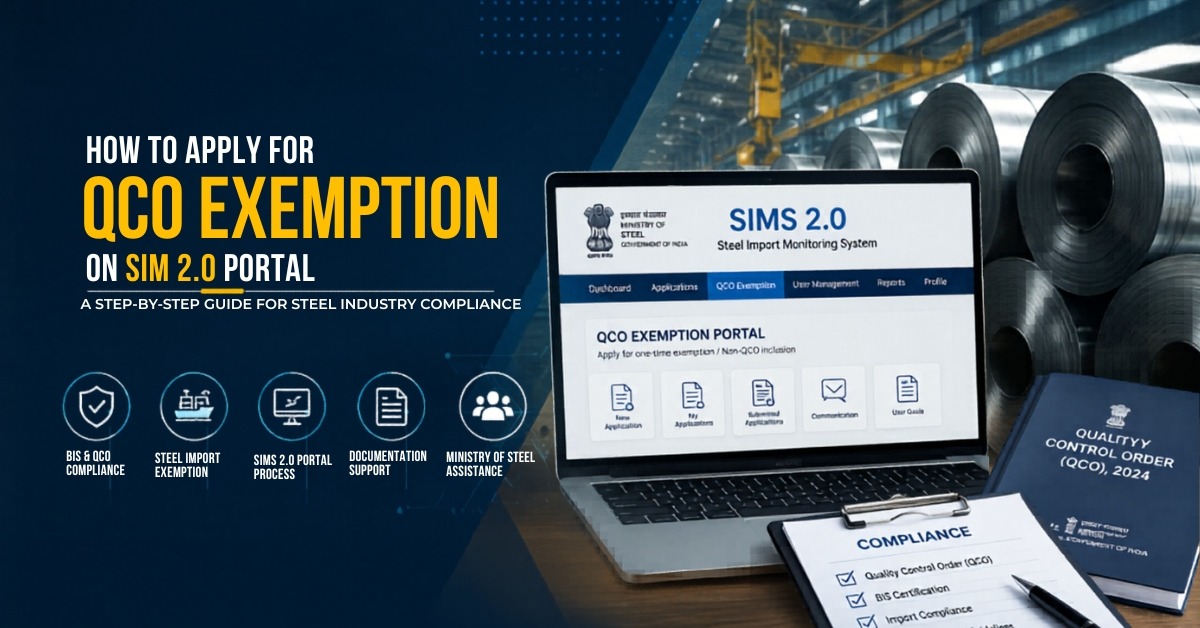
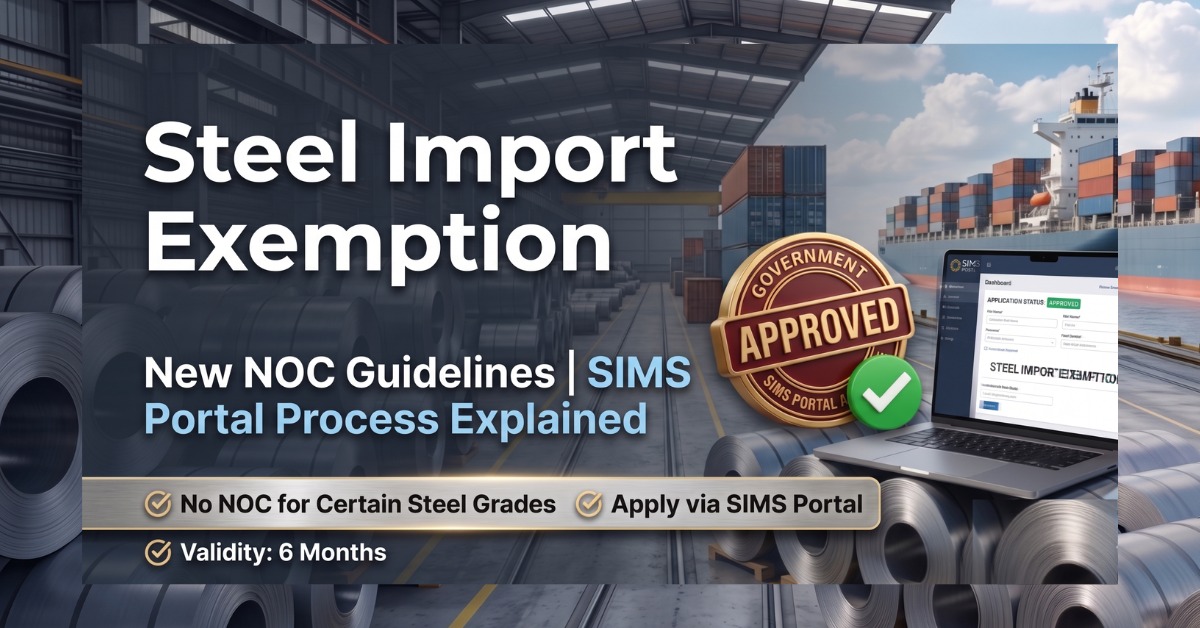
Importers without a BIS license must obtain a NOC from the Ministry of Steel via the QCO Portal for every steel consignment.
LMPC registration ensures standard labeling and consumer rights protection for all pre-packed goods sold in India.
Labeling audits verify that all mandatory product details are properly displayed on pre-packed goods to ensure compliance.
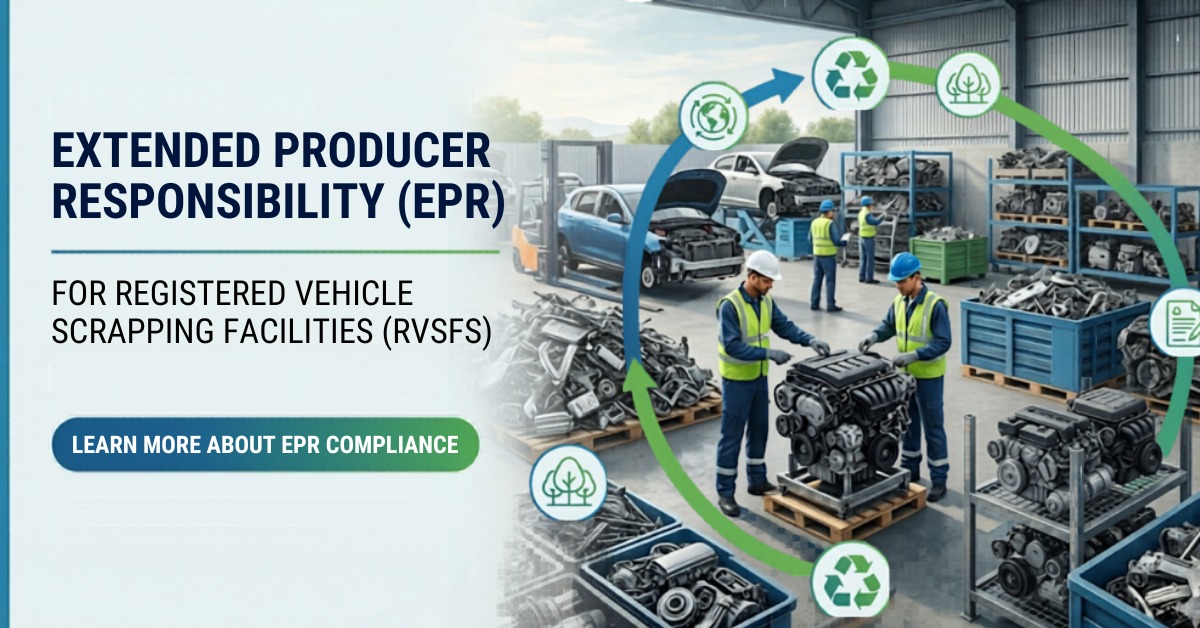
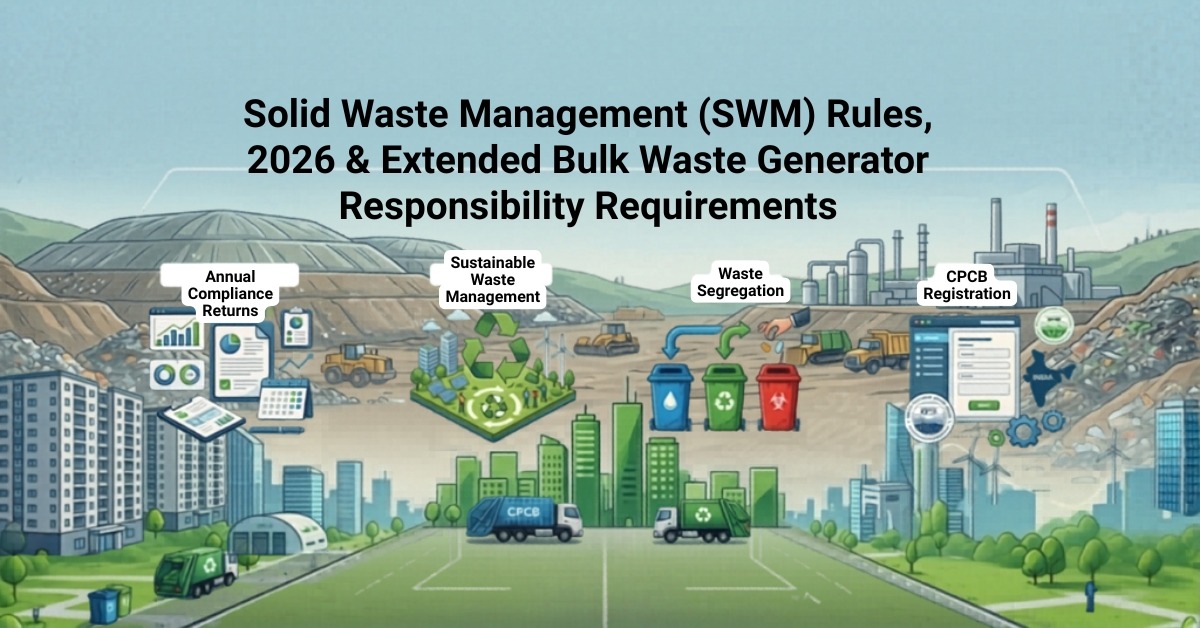
EPR registration ensures producers manage waste responsibly through collection, recycling, and environmentally sound disposal practices.
The Government of India introduced EPR in 2016 to manage plastic waste effectively, promoting environmental responsibility among producers and importers.
Importer registration ensures accurate weights and measures in international trade, helping businesses comply with legal standards seamlessly.
As environmental concerns grow, businesses must act responsibly. BR and Associates helps companies meet their Extended Producer Responsibility (EPR) obligations for plastic waste with expert guidance.
Plastic waste has become a critical environmental issue. BR and Associates offers sustainable EPR registration solutions, helping businesses reduce their environmental impact effectively.
In recent years, Extended Producer Responsibility (EPR) has become vital for sustainable waste management. Many countries now require businesses to manage their products' entire lifecycle. BR and Associates can expertly guide your organization through the EPR registration process with ease and compliance.
Ever find yourself staring at your computer screen a good consulting slogan to come to mind? Oftentimes.